

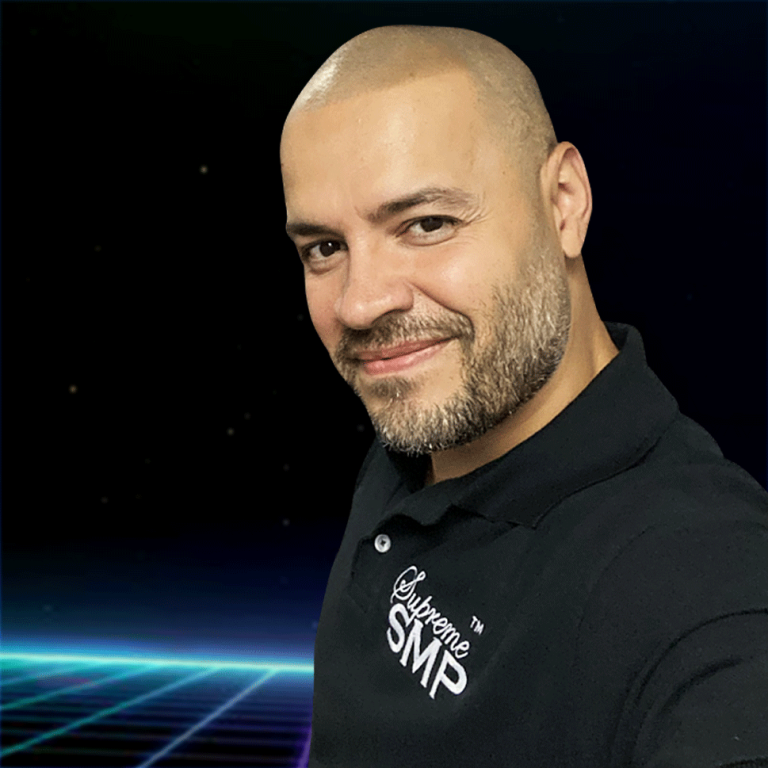
By Steven Rodriguez, SMP Artist at Supreme SMP
If you’re considering scalp micropigmentation, seeing real hair tattoo before and after results is one of the most reassuring steps you can take. Understanding not just the final look, but the full journey from your first session to a healed outcome, sets realistic expectations and helps you walk in with confidence.
What happens during and between sessions
An SMP treatment is typically completed across two to three sessions, spaced a few weeks apart. During each session, I deposit pigment into the upper layer of the scalp to replicate the appearance of shaved hair follicles, building up depth and dimension with each visit.
After your first session, the result will look lighter than the finished product. This is completely normal. The skin needs time to settle, and some pigment will naturally fade as the scalp heals. Many clients are surprised to find that the SMP before after difference grows most noticeably between sessions rather than at the end of any single sitting.
By session three, the hairline is refined, detail is layered in, and the overall look reaches its final, polished state. It is a process built on patience and precision.
The healing stages and what to expect
In the days immediately following each session, the treated area may appear slightly red or tender. The pigment will initially look darker and more defined than the healed result — this is temporary and settles within five to seven days as the skin begins to regenerate.
Around days three to five, some clients notice the dots appearing to shrink or soften. This is a normal part of healing, not a cause for concern. The pigment is settling into the dermis while the skin closes over it.
The final healed result typically becomes visible around four weeks after your last session.
How head shape and skin type influence your result
No two scalps are identical, and I take that seriously when designing each hairline. Head shape plays a significant role in how the SMP before after transformation reads visually. A rounded crown, a wider forehead, or a more angular skull each call for different design choices to ensure the result looks balanced and natural.
Skin type also affects how pigment holds and how hair tattoo results appear over time. Oilier skin may experience slightly faster fading, while drier scalps tend to retain pigment more consistently. I factor this into session planning so the outcome suits your individual characteristics.
Scar tissue from previous hair transplants or injuries can also influence how the scalp accepts pigment. These areas often require additional passes and careful technique to blend seamlessly with the surrounding follicle replication. With the right approach, even heavily scarred areas can be transformed into a convincing, clean result.
What makes a great hair tattoo transformation
The most convincing hair tattoo before and after results come down to three key factors: pigment selection, dot size, and hairline placement. The shade I choose needs to complement your natural skin tone and existing hair colour without creating contrast that reads as artificial.
Dot size matters enormously. Follicles are small, and replicating them requires a fine, controlled application. My background in visual communications and barber training informs exactly how I mimic the way hair sits on the scalp — at close range and across varying light conditions.
Hairline shape is perhaps the most defining element of the entire transformation. A hairline that suits your face shape and head structure produces a result that looks like it was always there, rather than something added on. That level of considered detail is what separates a truly great outcome from a merely adequate one.
Frequently Asked Questions
How long does it take to see the final hair tattoo results?
Full hair tattoo results are typically visible around four weeks after your final session. This allows the skin to heal completely and the pigment to settle into its true tone. Evaluating the outcome before this point can be misleading, as the scalp is still recovering and the colour is still adjusting.
Will my hair tattoo look different in certain lighting conditions?
A well-executed SMP treatment should hold up naturally in all lighting conditions, including direct sunlight and indoor fluorescent light. Pigment shade and dot size are chosen specifically to avoid an artificial appearance under scrutiny. When done correctly, the hair tattoo before and after difference looks convincing no matter the environment.
How many sessions are needed to complete the SMP process?
Most clients complete their SMP treatment across two to three sessions. Each session builds on the last, adding depth and refining the hairline. Spacing sessions a few weeks apart gives the scalp time to heal between visits and allows me to accurately assess how the pigment has settled before continuing.
Does head shape affect how the hair tattoo is designed?
Yes, head shape is a major factor in hairline design. The curvature of the skull, width of the forehead, and overall facial structure all influence where the hairline should sit and how it should be shaped. A design tailored to your specific head shape produces a far more natural and proportionate SMP before after outcome.
How should I care for my scalp between SMP sessions?
Between sessions, keep the scalp clean and moisturised, and avoid prolonged sun exposure without protection. Do not scrub the treated area or use harsh exfoliants. Staying out of pools and avoiding heavy sweating for the first week after each session helps the pigment settle properly and supports the best possible hair tattoo results.