
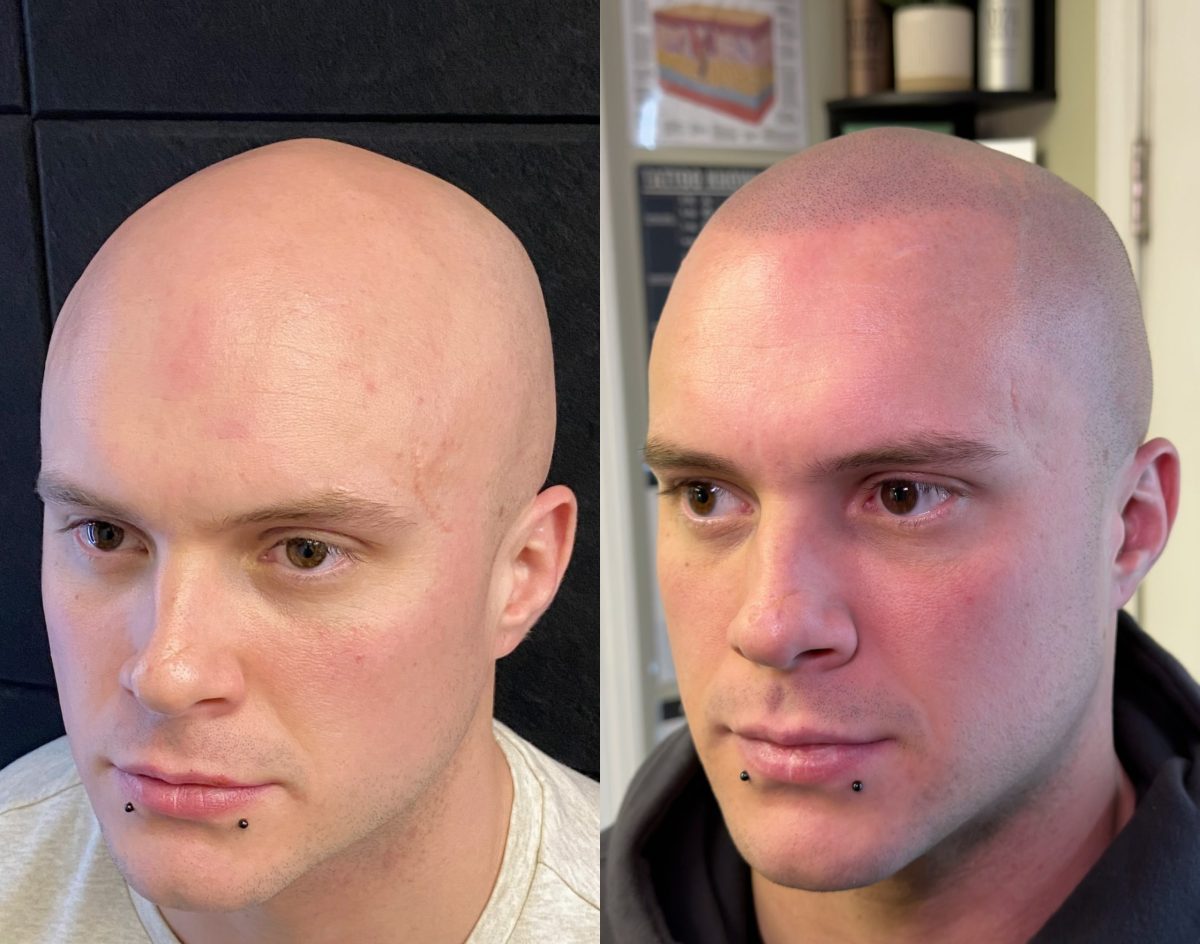
By Steven Rodriguez, SMP Artist at Supreme SMP
You’ve done the research, you like what you see, and now you need the one number nobody seems to lead with: what does scalp micropigmentation actually cost? The price varies more than most studios admit upfront, and that variation is almost entirely logical once you understand what drives it. This article breaks down every factor that shapes SMP pricing so you can budget accurately and avoid surprises.
Why SMP pricing is never a flat rate
Scalp micropigmentation is a bespoke procedure. No two heads are the same size, no two hairlines are the same shape, and no two clients need the same number of sessions. A technician quoting a flat price before seeing your scalp is either guessing or selling you a package that doesn’t quite fit.
The biggest single driver of cost is the extent of treatment. A client covering a small crown area might be done comfortably in two sessions. A full-head treatment, blending across the entire scalp with a defined hairline, typically requires three to four sessions. Each session adds time, pigment, and skill, and that’s reflected in the final figure.
Head size matters too. A larger scalp simply requires more work per session. Technicians who don’t factor this in are likely absorbing the cost somewhere else, usually in the quality of the result. Realistic SMP pricing accounts for surface area honestly.
What the numbers actually look like
In the United States, a full scalp micropigmentation treatment typically falls between $1,500 and $4,000 for the complete course of sessions. In the UK and Australia, comparable treatment ranges sit between £1,200 and £3,000 and AUD $2,000 to $5,000 respectively. These are realistic mid-market figures, not bargain-basement or luxury-clinic outliers.
The lower end of the range usually reflects a newer technician building a portfolio, a smaller treatment area, or a region with lower operating costs. The upper end reflects senior artists with strong credentials, highly detailed hairline work, and longer session times. Always look at the work before fixating on the number.
A hair tattoo done cheaply by an under-qualified technician is not a saving: it’s a liability. Corrections and removals cost considerably more than getting it right the first time, and the emotional cost of a poor result is real.
The factors that shift your specific quote
Several variables will move your personal SMP pricing up or down from the averages. Understanding them helps you assess whether a quote is fair.
- Number of sessions: Most clients need two to four sessions, spaced a few weeks apart to allow the skin to settle and the pigment to be assessed before the next layer is added. Fewer sessions mean lower cost, but the right number of sessions is determined by the result, not the budget.
- Treatment area: Full-scalp coverage costs more than a localised crown touch-up. If you’re replicating a full shaved-head look with a refined hairline, expect to sit in the upper portion of the price range.
- Technician experience: An artist with multiple SMP certifications and years of refined technique will charge more than someone who completed a weekend course. That premium is earned and justifiable.
- Studio location: Overheads in a major city are higher than in a smaller market, and pricing reflects that. Many clients travel specifically for a trusted technician, so the studio location matters less than the quality of the artist.
- Pigment and equipment quality: Professional-grade pigments formulated for scalp micropigmentation behave differently from generic tattoo inks. A studio cutting costs on materials will often cut costs on outcomes too.
Payment plans and what to ask before you book
Many reputable SMP studios offer payment plans that spread the cost across the treatment course rather than requiring the full amount upfront. This makes a multi-session treatment far more accessible without compromising on the quality of the artist you choose. Ask directly whether a payment plan is available and what the deposit structure looks like.
A few questions worth raising at consultation: does the quoted price cover all sessions in the course, or is each session billed separately? Is a touch-up session included if minor adjustments are needed after healing? And what is the policy on long-term maintenance?
On that last point: SMP typically holds well for one to three years before a top-up is recommended. It’s not a permanent tattoo in the traditional sense. The pigment is designed to fade gradually and naturally, which is part of what keeps it looking realistic over time. Factoring in an occasional refresh session is the honest way to think about long-term cost.
One more practical note: numbing cream is available if you need it, applied an hour before your session, though it isn’t routinely used as it can affect pigment retention depending on skin type. It’s worth discussing your sensitivity at consultation so your technician can plan accordingly.
Frequently Asked Questions
How many sessions does scalp micropigmentation usually take?
Most clients complete their scalp micropigmentation treatment over two to four sessions, each spaced a few weeks apart. The exact number depends on the size of the treatment area and how the skin responds to each session. Your technician will assess progress after each appointment before proceeding to the next.
Is the cheapest SMP quote worth taking?
Rarely. SMP pricing reflects the technician’s skill, the quality of pigments used, and the time invested in your result. A very low quote often signals a less experienced artist or inferior materials. Corrections and removals cost significantly more than the original treatment, so evaluating the artist’s portfolio matters far more than finding the lowest number.
How long does scalp micropigmentation last before a top-up is needed?
Scalp micropigmentation typically holds well for one to three years before a top-up is recommended. The pigment is designed to fade gradually rather than stay permanently sharp, which is what keeps it looking natural over time. Factors like sun exposure, skin type, and aftercare habits all influence how long the result stays at its best.
Do SMP studios offer payment plans?
Many reputable scalp micropigmentation studios offer payment plans that spread the cost across your treatment sessions rather than requiring full payment upfront. It’s worth asking at your consultation about deposit requirements, instalment options, and whether the quoted price covers the full course or individual sessions billed separately.
What’s the difference between a hair tattoo and scalp micropigmentation?
Hair tattoo is a common informal term for scalp micropigmentation. Both refer to the same procedure: the placement of specialised pigment into the scalp to replicate the appearance of closely shaved hair follicles. SMP uses different pigments, needle configurations, and technique compared to traditional body tattooing, which is why results and longevity differ considerably.