
By Steven Rodriguez, SMP Artist at Supreme SMP
You’re losing your hair and you want to do something about it. Two options keep coming up: a hair tattoo and a hair transplant. They address the same problem but work completely differently, cost different amounts, and suit different people. Here are the five most important differences so you can make a clear, confident decision.
1. What actually happens during each procedure
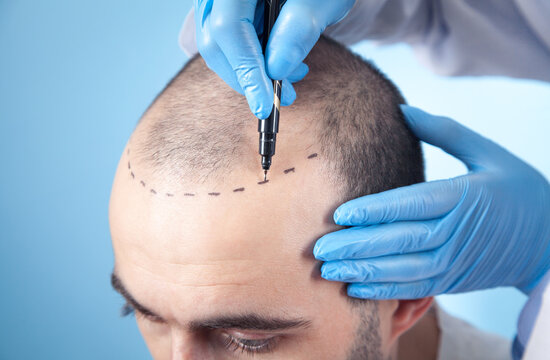
A hair tattoo, or SMP (scalp micropigmentation), is a non-surgical cosmetic procedure. A specialist uses a fine needle to deposit pigment into the upper layers of the scalp, replicating the look of closely shaved hair follicles. There’s no cutting, no anaesthetic, and no theatre time.
A hair transplant is surgery. A surgeon removes hair follicles from a donor area, typically the back of the head, and implants them where hair is thinning or absent. The two main techniques are FUE (Follicular Unit Extraction) and FUT (Follicular Unit Transplantation), both of which involve incisions and a healing period.
2. Cost comparison
A hair tattoo treatment in the UK typically ranges from around £1,000 to £3,000 for a full SMP session plan, depending on the extent of hair loss and the number of sessions required. Most clients need two to four sessions, spaced a few weeks apart.
A hair transplant is considerably more expensive. UK prices generally start at £3,000 and can exceed £15,000 for larger procedures. Going abroad can reduce costs, but that introduces its own risks around standards of care and follow-up. On cost alone, SMP is the more accessible option for most men.
3. Recovery time and downtime
After a hair tattoo session, downtime is minimal. The scalp may look slightly red for 24 to 48 hours, and you’ll need to avoid heavy sweating, swimming, or washing the area for a few days. Most clients return to work the next day.
A hair transplant requires a more significant recovery period. Swelling, scabbing, and tenderness are common in the first week, and strenuous activity is off the table for at least two weeks. Transplanted follicles shed before regrowing, meaning visible results can take six to twelve months. If your schedule doesn’t allow for that kind of recovery, a hair tattoo is worth serious consideration.
4. Maintenance and longevity
SMP is not permanent in the way a hair transplant is. Pigment fades gradually as the skin naturally exfoliates and UV exposure breaks down the colour. A top-up is typically recommended every one to three years to keep the result looking sharp and consistent.
A hair transplant, once healed, produces permanent hair growth. Transplanted follicles are generally resistant to DHT, the hormone responsible for male pattern baldness, so they tend to survive long term. That said, non-transplanted hair can continue to thin, sometimes creating an uneven appearance that may require further treatment.
If you maintain a shaved or closely cropped style, an SMP top-up every few years is a straightforward commitment. If you want to grow and style your hair naturally, a transplant is the only option that delivers that.
5. Who each option suits best
A hair tattoo is an excellent fit for men who prefer a shaved or grade-one style, those who want immediate results without surgery, and anyone who has already had a transplant but still has visible thinning or scarring to address. SMP is also a strong choice for men with diffuse thinning across the crown where a transplant donor supply may be insufficient.
A hair transplant suits men who want to grow real hair and are willing to invest more time and money to achieve it. Good candidacy depends on having an adequate donor area and realistic expectations about density. A thorough consultation with a qualified surgeon is essential before committing.
It’s worth noting that SMP and hair transplants aren’t mutually exclusive. Some men use SMP to add density to a transplant result or to camouflage linear FUT scarring. Understanding the strengths of each treatment opens up more options, not fewer.
Neither option is universally better. The right choice depends on your hair loss pattern, lifestyle, budget, and the look you actually want. A hair tattoo delivers immediate, surgery-free results with minimal recovery and a clear maintenance schedule. A hair transplant offers permanent natural hair growth at a higher cost and commitment. Know what matters most to you, and the decision becomes straightforward.
Frequently Asked Questions
Is a hair tattoo painful compared to a hair transplant?
A hair tattoo (SMP) involves mild discomfort similar to a light scratching sensation. Numbing cream is available if needed and applied one hour before the session, though it isn’t routinely used as it can affect pigment retention on some skin types. A hair transplant involves local anaesthetic injections and post-surgical soreness throughout the healing period.
How many sessions does a hair tattoo treatment take?
Most SMP treatments are completed over two to four sessions, spaced a few weeks apart. Each session builds on the last, gradually increasing density and refining the hairline. The exact number depends on the extent of hair loss and the level of coverage required to achieve a natural, consistent result.
Can a hair tattoo cover transplant scarring?
Yes. SMP is commonly used to camouflage scarring left by FUT strip surgery or FUE extraction sites. Pigment is carefully matched and deposited into or around scar tissue to blend it with the surrounding scalp. Results vary depending on scar texture and skin tone, but SMP is one of the most effective non-surgical scar concealment options available.
How long does scalp micropigmentation last before a top-up is needed?
SMP typically holds well for one to three years before a top-up is recommended. Fading is gradual and influenced by UV exposure, skin type, and aftercare habits. A top-up session refreshes the pigment and restores the original sharpness of the result, keeping the shaved-hair appearance consistent and well-defined over time.
What is the main difference between scalp micropigmentation and a hair transplant?
Scalp micropigmentation (SMP) is a non-surgical pigment treatment that replicates the look of shaved hair follicles on the scalp. A hair transplant is a surgical procedure that physically moves living follicles from a donor area to thinning zones. SMP produces immediate cosmetic results; a transplant produces real, growing hair over several months.