

By Steven Rodriguez, SMP Artist at Supreme SMP
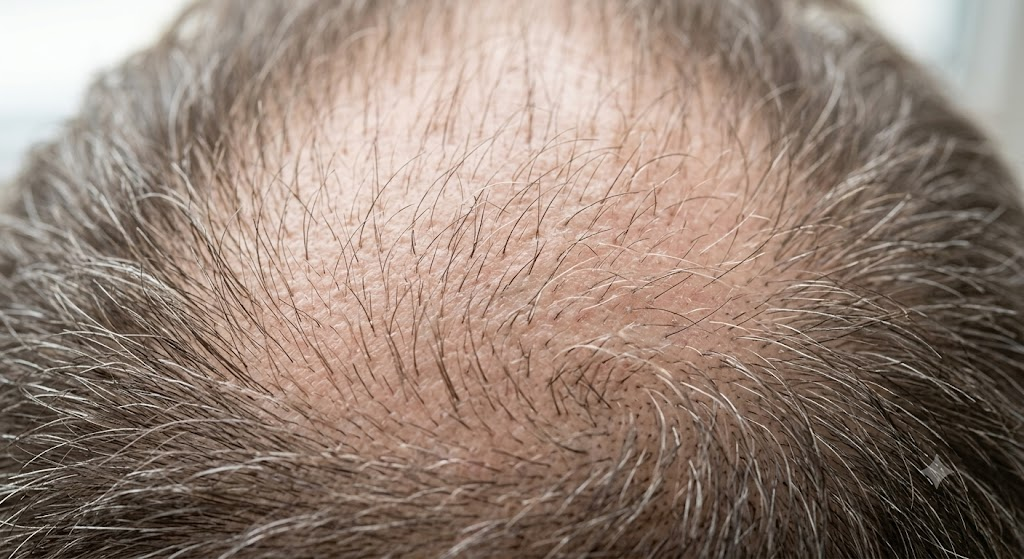
You are losing density and you want to do something about it. Two options keep coming up: scalp micropigmentation or a hair transplant. This article breaks down exactly what each delivers, what it costs, how long it lasts, and where each one falls short, so you can walk away with a clear decision rather than more confusion.
What each treatment actually does
It is worth being direct about this from the start. A hair transplant physically moves living follicles from a donor area, typically the back or sides of your scalp, to areas of thinning or baldness. Those follicles then grow real hair. SMP does not do this. Medical micropigmentation deposits pigment into the scalp using fine needles, creating tiny dots that replicate the appearance of hair follicles. It creates the visual impression of density between your existing hairs, not new growth.
Neither approach is a cure for hair loss. Follicles that have miniaturised due to DHT will continue to do so regardless of which treatment you choose. Understanding that from the outset saves a great deal of disappointment later.
SMP works by placing pigment at the epidermal to upper dermal interface, typically around 1.5 to 2 millimetres into the dermis. Pigment dot density builds progressively across sessions, starting at around 40 dots per square centimetre and reaching 80 to 100 dots per square centimetre in final sessions. The result is a natural, diffuse thickening effect when viewed at normal social distance.
Sessions, downtime, and the recovery reality
A hair transplant, whether FUE (follicular unit extraction) or FUT (follicular unit transplantation), is a surgical procedure. FUT involves removing a strip of scalp and leaves a linear scar. FUE extracts individual follicles and leaves tiny circular scars. Both require local anaesthesia, several hours in clinic, and meaningful recovery time. You will need one to two weeks away from most physical activity, and the transplanted hairs shed within the first few weeks before regrowing. Full results take twelve to eighteen months to evaluate properly.
SMP is a non-surgical process. Most density treatments are completed over two to four sessions, usually spaced a few weeks apart. Each session runs between one and five hours depending on the area being treated. There is no surgical incision, no shedding phase, and no extended recovery. Redness typically settles within two to three days, and you can return to most normal activities quickly, though the full healing period after your final session runs to thirty days.
Aftercare for SMP requires keeping the scalp dry for the first four days, avoiding shampoo, sweating, and sun exposure. From days five to ten, gentle washing resumes but sun exposure remains off the table. From day ten onward, applying SPF 30 to 50 to the scalp becomes a permanent habit and normal grooming can resume. Swimming pools should be avoided for a full twenty-eight days after the final session.
Cost, longevity, and what ongoing maintenance looks like
Hair transplant costs vary significantly according to the number of grafts required and the clinic location. Procedures in the UK typically run to several thousands of pounds. In the US, the range reported is broadly $4,000 to $15,000 or more for larger sessions. The result, if the procedure succeeds and donor supply is adequate, can be long-lasting because transplanted follicles are generally DHT-resistant. That said, the surrounding native hair continues to thin, which can create an uneven result over time and may require follow-up sessions or SMP to fill in the contrast.
SMP density treatment carries a lower upfront cost, broadly in the $400 to $5,000 range depending on coverage area and practitioner. The key ongoing consideration is maintenance. SMP typically holds well for one to three years before a top-up is recommended. Fading is driven by sun exposure, skin cell turnover, and skin type. Oilier skin and high UV exposure accelerate fading. Consistent SPF use genuinely extends the result, and touch-up sessions are shorter and less involved than the original treatment.
The cost-per-year calculation often surprises people. A hair transplant is a larger single investment with potentially fewer repeat visits, but it does not address density loss in areas where follicles are still miniaturising. SMP requires periodic maintenance but can adapt to your hair loss pattern as it evolves, which is a practical advantage for men in their thirties and forties whose loss is still progressing.
Who is the right candidate for each option
Hair transplants depend entirely on donor supply. If you do not have sufficient healthy follicles at the back and sides of your scalp, a transplant simply is not viable. FUT also requires a degree of existing scalp laxity, and the scar risk is real. Men with diffuse thinning across the entire scalp, including the donor zone, are often not suitable candidates.
SMP density treatment is suitable for a much wider range of hair loss patterns. It works for male pattern baldness at any Norwood stage, alopecia areata, post-transplant scarring, and diffuse thinning where a transplant cannot reach. Contraindications do exist: active scalp acne, psoriasis flare-ups, eczema, and keloid-prone skin all require discussion before proceeding.
The two approaches are also not mutually exclusive. Many men use SMP to add visual density around a transplant, to camouflage a FUT scar, or to fill in areas where grafts did not take as expected. In that context, hair replication and transplant surgery become complementary rather than competing choices. Numbing cream is available for SMP if needed and is applied one hour before the session, though it is not used routinely as it can affect pigment retention depending on skin type.
If you are weighing up scalp micropigmentation against a transplant for thinning hair, the honest answer is that they solve different problems. A transplant grows hair. SMP creates the appearance of density. Knowing which outcome you actually need is the clearest way to choose.
Frequently Asked Questions
Does SMP density treatment look natural on men with thinning hair?
Yes. When performed correctly, SMP density treatment is undetectable at normal viewing distance. Fine needles deposit pigment dots that replicate the size and tone of real hair follicles, blending seamlessly with existing hair. The result reads as thicker, fuller hair rather than a drawn-on effect, provided the practitioner matches pigment tone accurately.
Can I have SMP if I have already had a hair transplant?
Yes, and it is a common combination. SMP density treatment is frequently used to fill in areas where transplanted grafts did not achieve full coverage, to camouflage FUT linear scars, or to add visual density around a transplant as surrounding native hair continues to thin over time. The two approaches work well together.
How many SMP sessions will I need for a density treatment?
Most male density treatments are completed across two to four sessions, spaced a few weeks apart. Each session builds pigment dot density progressively, allowing the scalp to heal and the practitioner to assess the result before adding more coverage. Session length runs between one and five hours depending on the area being treated.
Does scalp micropigmentation stop hair loss from continuing?
No. SMP does not affect the underlying hair loss mechanism. It creates a visual impression of density between existing follicles but does not stimulate regrowth or slow DHT-driven miniaturisation. Hair loss will continue at its natural rate, which is why touch-up appointments and occasional hairline adjustments may be needed as your pattern evolves.
How long does SMP density treatment last before a touch-up is needed?
SMP typically holds well for one to three years before a top-up is recommended. Fading speed depends on sun exposure, skin type, and aftercare habits. Oily skin and high UV exposure accelerate fading. Applying SPF 30 to 50 consistently after the thirty-day healing period is the single most effective way to extend the result.