

By Steven Rodriguez, SMP Artist at Supreme SMP
You’re drawn to the idea of a hair tattoo, but you need to know exactly what you’re signing up for before anything touches your scalp. This article cuts through the vague answers and gives you the real picture on longevity, fading, and what happens if you ever want it gone. A hair tattoo is not permanent: it fades gradually over one to three years, and understanding that upfront is what sets a great result apart from a disappointing one.
1. A hair tattoo is not permanent in the way a body tattoo is
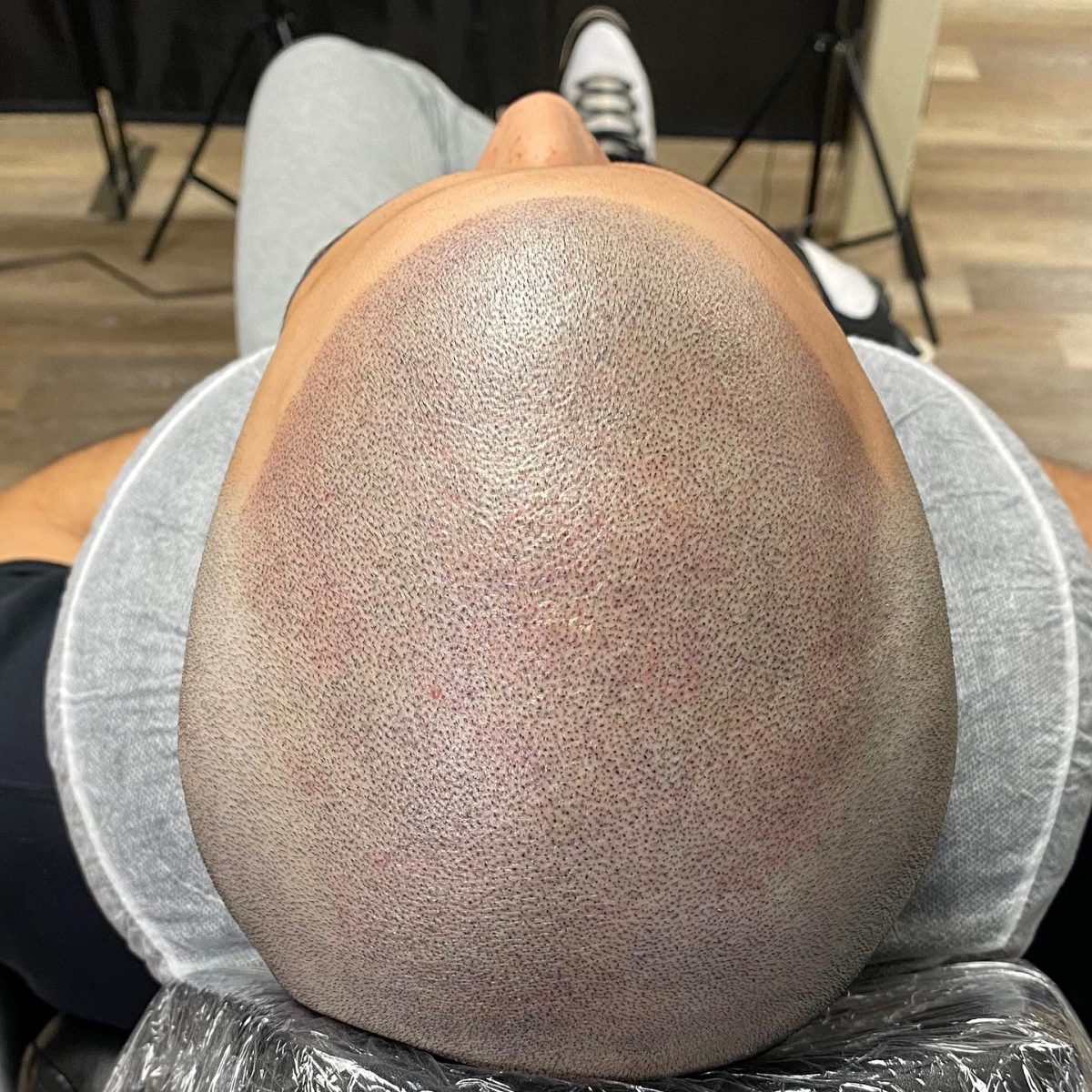
Scalp micropigmentation (SMP) sits in the upper dermis, slightly shallower than a traditional body tattoo. That depth is intentional: it produces fine, crisp pigment dots that replicate shaved hair follicles rather than blurring into ink blobs over time.
Because the pigment sits closer to the surface, your skin’s natural renewal process gradually pushes it upward and out. The result is gentle, predictable fading rather than the colour shift you see with ageing body tattoos. It softens. It does not disappear overnight.
The honest expectation: a hair tattoo typically holds well for one to three years before a top-up is recommended. That timeframe varies based on your skin type, sun exposure, and how well you care for your scalp.
2. Fading is gradual, not sudden
One of the most common concerns I hear is the fear of waking up one morning to find the result dramatically changed. That is not how SMP fades. The process is slow, almost imperceptible week to week.
What you’ll typically notice after a year or two is that the contrast between the pigment and your skin has softened slightly. The hairline may look a fraction less defined. For most men, this is actually flattering: it mirrors the natural way a shaved head looks in different lighting conditions.
Sun exposure is the biggest accelerant of fading. UV rays break down pigment faster than almost anything else, so applying an SPF to your scalp during summer months is one of the most effective ways to extend the life of your hair tattoo.
3. The treatment requires multiple sessions, not one
A hair tattoo is completed across two to four sessions, typically spaced a few weeks apart. This is not a single appointment and done approach. Each session builds depth, density, and detail, and your artist assesses how your skin has healed before adding more pigment.
That spacing matters because skin needs time to settle. Pigment can appear slightly darker immediately after a session and will lighten by around 10 to 20 per cent once healed, which is completely normal and expected.
Going in with the right expectations means you will not panic after session one. The final result only becomes fully visible once all sessions are complete and your scalp has fully healed.
4. Top-ups are straightforward and do not reset the process
Because a hair tattoo is semi-permanent, maintenance is part of the long-term picture. A top-up session refreshes the pigment, sharpens any softened areas, and can adjust the hairline if your preferences have evolved. Most clients find this reassuring rather than inconvenient.
A top-up is not the same as starting from scratch. Your artist is working over an existing foundation, so sessions tend to be shorter and require fewer visits than the original treatment.
The semi-permanent nature of SMP is, in many ways, a feature rather than a limitation. If trends shift or you want a slightly different hairline shape in five years, you have that flexibility. A fully permanent tattoo would not give you the same room to evolve.
5. Removal is possible, but it is a process worth understanding before you start
Hair tattoo removal is an option, but it is not as simple as deciding you no longer want it and booking one appointment. Laser removal is the most common method, using targeted light pulses to break down the pigment beneath the skin. Most cases require multiple sessions to achieve a significant reduction.
The number of laser sessions depends on how saturated the pigment is, the age of the SMP, and your skin tone. Lighter skin typically responds faster. Older, faded SMP is generally easier to remove than fresh, dense work.
The practical takeaway: hair tattoo removal is achievable, but it takes time and commitment of its own. Treating a hair tattoo as something to try lightly and then simply erase is not quite the right mindset. It is a considered decision in either direction.
A hair tattoo occupies the sweet spot between permanence and flexibility. It lasts long enough to make a genuine difference to your confidence and appearance, fades gradually rather than dramatically, and can be maintained with periodic top-ups or removed if your circumstances change. Going in with clear, realistic expectations is what separates a result you will love long-term from one that catches you off guard.
Frequently Asked Questions
Is a hair tattoo permanent on the scalp?
A hair tattoo is not permanent. SMP pigment sits in the upper dermis and fades gradually over time, typically holding well for one to three years before a maintenance top-up is recommended. It softens slowly rather than disappearing suddenly, and can be refreshed or removed as needed.
How many sessions does a hair tattoo take to complete?
Most hair tattoo treatments are completed across two to four sessions, spaced a few weeks apart. Each session builds on the last, allowing the skin to heal between appointments. The final result only becomes fully visible once all sessions are done and the scalp has completely settled.
What makes a hair tattoo fade faster?
Sun exposure is the primary accelerant of SMP fading. UV rays break down pigment beneath the skin more quickly than almost any other factor. Applying a broad-spectrum SPF to your scalp regularly, particularly during summer, is the single most effective step you can take to extend the life of your result.
Is hair tattoo removal actually possible?
Yes, hair tattoo removal is possible using laser treatment, which breaks down the SMP pigment beneath the skin over multiple sessions. The number of sessions varies based on pigment density, the age of the work, and skin tone. Older, faded SMP typically responds faster than recently applied, dense pigment.
Does SMP look natural as it fades?
Yes, SMP fades in a way that most clients find natural rather than obvious. The contrast softens gradually, and the result tends to look slightly more diffused rather than patchy or uneven. Many men find the aged look still flattering, particularly when the hairline design was chosen to suit their face and age.