
By Steven Rodriguez, SMP Artist at Supreme SMP
One of the most common questions I get before a client commits to a session is how much it hurts. It’s a fair question, and I’d rather give you an honest answer than a vague reassurance. Understanding scalp micropigmentation pain helps you prepare properly and walk in with realistic expectations.
How does SMP actually feel?
Most clients describe the sensation as similar to light scratching or a series of small pinpricks across the scalp. It’s not the same as getting a traditional tattoo on thick skin — the scalp has its own sensitivity level, and that varies from person to person.
For the majority of men, micropigmentation discomfort is manageable throughout the session. Some areas, particularly around the temples and the crown, tend to be more sensitive than others. That’s completely normal, and I take a measured pace through those zones to keep things comfortable.
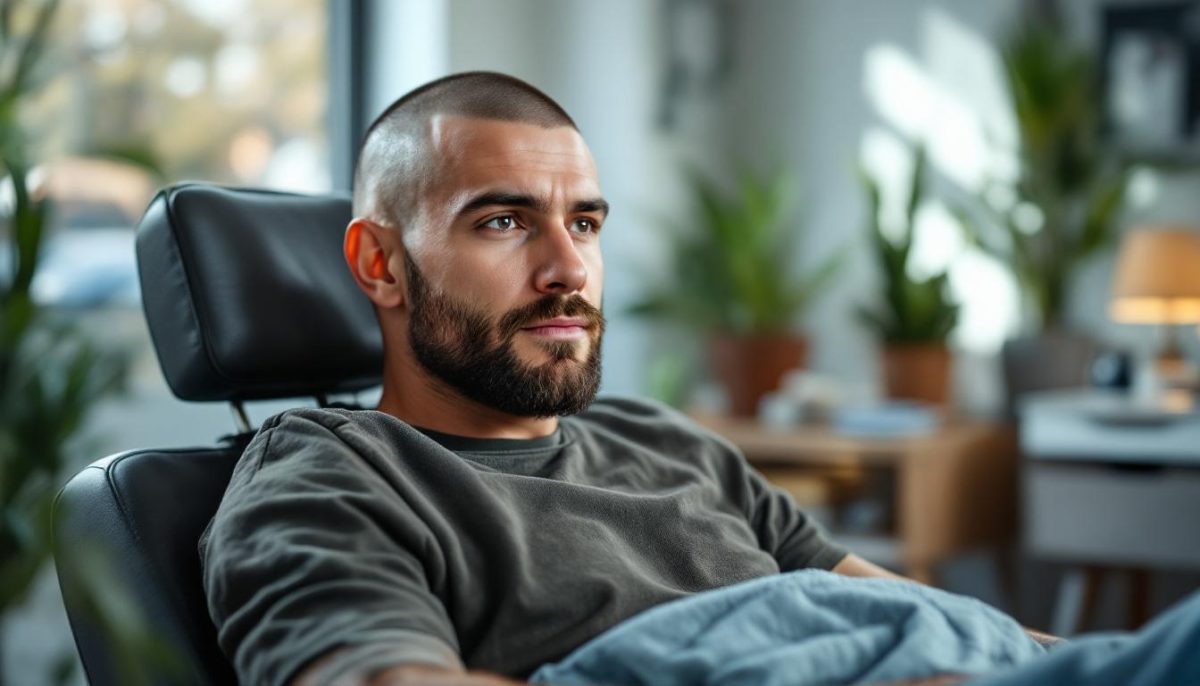
Does SMP hurt? In short — it’s noticeable, but rarely overwhelming. Many clients actually fall asleep during their session, which tells you a great deal about the overall experience.
Numbing and pain management options
Numbing cream isn’t something I typically use, as it can sometimes affect how the pigment takes depending on your skin and how it reacts during the treatment.
That said, it is available if needed. If we decide to use it, it will be applied around an hour before your session to allow it to fully take effect. It’s not part of the standard process, but your comfort is always a priority, and I’ll recommend it if necessary.
Arriving well-hydrated, well-rested, and having eaten a proper meal beforehand all make a genuine difference. Tiredness, dehydration, and low blood sugar tend to heighten sensitivity, so those simple steps are worth taking seriously.
What changes across multiple sessions?
A full SMP treatment typically involves two to three sessions. Clients often report that the first feels the most unfamiliar simply because they don’t know what to expect. By the second session, most men tell me they felt far more at ease.
Micropigmentation discomfort can also feel slightly different depending on which session you’re in. The first session generally covers broader areas of the scalp, while follow-up sessions focus on refining and adding depth. Each visit typically runs between two and four hours depending on the work involved.
Does SMP hurt more in later sessions? Not necessarily. The scalp adapts, and most clients report that subsequent sessions feel comparable to — or even easier than — the first. Familiarity helps a great deal.
Recovery and aftercare comfort
After each session, some mild redness and tenderness is normal for the first day or two. This settles quickly and is nothing to be concerned about. The scalp is in a light recovery phase, and treating it gently during that window makes a real difference.
I provide detailed aftercare instructions after every session. Avoiding direct sun exposure, keeping the scalp dry for the first few days, and steering clear of harsh products are the key points. Following these steps protects the work and keeps any post-session scalp micropigmentation pain to a minimum.
As a licensed body art practitioner with multiple SMP certifications, I’ve refined my technique specifically to reduce unnecessary trauma to the skin while still achieving precise, natural-looking results. The approach matters just as much as the equipment.
Frequently Asked Questions
Is scalp micropigmentation pain severe enough to stop a session?
Very rarely. Most clients complete their sessions without needing a break. If you ever need a short pause during a session, that’s absolutely fine — your comfort is always the priority.
Does SMP hurt more in certain areas of the scalp?
Yes, some areas are more sensitive than others. The temples and crown tend to be the most noticeable. The back and sides of the scalp are generally more comfortable. I work carefully through the sensitive zones and adjust my technique accordingly to minimize discomfort during the session.
How long does micropigmentation discomfort last after a session?
Any post-session tenderness or redness typically resolves within one to two days. The scalp may feel slightly sensitive to the touch, but it’s mild and manageable. Following the aftercare instructions I provide helps the skin recover quickly and keeps any lingering micropigmentation discomfort to a minimum between sessions.
Can I take painkillers before my SMP session?
It’s best to avoid blood-thinning medications such as aspirin or ibuprofen before your session, as these can increase bleeding and affect how the pigment settles. If you have concerns about managing scalp micropigmentation pain, speak with me during your consultation and we’ll work out the right approach for you.
How does SMP compare to a traditional tattoo in terms of pain?
Most clients with traditional tattoo experience find SMP comparable or slightly less intense. The needles used in scalp micropigmentation are finer and work at a shallower depth than those used in body tattooing. The overall experience is generally considered very tolerable by most men.